

Best Withdrawal Betting Sites in Nigeria
Find the best Nigerian betting sites with fast, reliable withdrawal processes 💸. Get practical tips, reviews, and manage your ₦ winnings smoothly on trusted platforms.
Edited By
Sophie Meredith
Aviators in Nigeria play a vital role in connecting cities, boosting trade, and supporting the country’s growing economy. Their work involves much more than just flying planes; it requires extensive training, discipline, and understanding of aviation regulations. For many young Nigerians eyeing a career in aviation, knowing the realistic path and industry landscape can make a big difference.

Nigerian aviators usually include commercial pilots, flight instructors, and airforce pilots. They operate various types of aircraft from small trainers to large passenger jets. Cities like Lagos, Abuja, and Port Harcourt serve as hubs for aviation jobs. For example, pilots working with airlines such as Air Peace or Arik Air often fly local and international routes.
The journey begins with obtaining a Private Pilot Licence (PPL), typically through accredited flying schools like the Nigerian College of Aviation Technology (NCAT) in Zaria. Students must complete ground school, accumulate flying hours, and pass medical tests certified by the Nigerian Civil Aviation Authority (NCAA).
Next is the Commercial Pilot Licence (CPL), needed for professional flying. This stage demands more flight time and knowledge in navigation, meteorology, and air regulations. Many aspiring pilots invest ₦10 million or more covering training, exams, and necessary licences.
NCAA is the main watchdog, ensuring safety and compliance. It oversees pilot certification, aircraft maintenance, and flight operations. Besides, Nigeria Civil Aviation Authority (a common but outdated reference) has been consolidated into NCAA, so all regulatory activities fall under this authority.
Airlines and training institutions must also comply with international standards set by organisations like the International Civil Aviation Organization (ICAO).
Safety and training standards in Nigerian aviation have improved, but challenges like infrastructure gaps and funding still slow progress.
Despite hurdles like fluctuating fuel prices and maintenance costs, Nigeria's aviation sector has recorded steady growth. Private airlines expand fleets, and foreign carriers increase flights to Nigerian cities.
However, pilots often face difficulties with inconsistent regulation enforcement, limited simulator access for training, and the high cost of flight hours. The government and private sector are working to boost infrastructure with projects like new airport terminals and improved navigation systems.
By understanding these factors, students and professionals can better navigate Nigeria's aviation sector and make informed career decisions.
Understanding who aviators are in Nigeria forms the foundation for anyone interested in aviation careers or the industry's wider impact. Aviators go beyond just flying planes; they are the backbone of Nigeria’s air transport system, connecting cities, states, and even neighbouring countries. For young Nigerians eyeing career opportunities outside the usual sectors, knowing what aviators do and their significance can open paths to promising jobs and entrepreneurship.
Aviators in Nigeria fall mainly into three types: commercial, private, and military pilots. Commercial pilots are those who fly scheduled passenger flights or cargo planes for airlines like Arik Air, Air Peace, or Med-View. Private pilots operate planes for personal or business use and often fly smaller aircraft. Military pilots serve in the Nigerian Air Force, handling defence and national security missions. Each type demands specific training and serves unique roles but all require discipline and technical skill.
The responsibilities of aviators include pre-flight planning, ensuring safety checks, operating aircraft controls during flights, and communicating with air traffic control. For instance, a commercial pilot may navigate international flight routes and manage crew coordination, while a private pilot might focus on flying clients for urgent business trips. These tasks demand focus, technical expertise, and the ability to handle emergencies swiftly.
The importance of aviators in Nigeria’s transport infrastructure cannot be overstated. With the country’s size and growing economy, air transport helps bypass congested roads and difficult terrain. Aviators enable swift movement of people and goods, supporting sectors like oil, agriculture, and banking. For example, executives flying from Lagos to Abuja save hours otherwise spent in danfo traffic jams or on poor road networks.
The aviation sector in Nigeria started taking shape in the 1920s with the establishment of initial air routes linking major cities. Over the decades, the sector grew steadily, influenced by global innovations and local investments. This development brought access to faster travel, boosting commerce and governmental activities across regions.
Pioneers such as Karim Olowu and Adeola Odutola were among the early Nigerians who helped lay the groundwork for aviation by championing pilot training and advocating for more airline services. Their efforts established a foundation for modern Nigerian aviation and inspired younger generations to pursue aviation careers.
Key milestones include the creation of Nigeria Airways in 1958, which marked a major step in domestic and international connectivity. Later, the deregulation of the sector in the 2000s led to the rise of private airlines and improved services. More recently, the Nigerian Civil Aviation Authority (NCAA) has pushed for regulatory reforms to align with international safety standards and boost pilot training locally.
Aviators have not just moved planes; they've moved Nigeria’s economy and connected millions. Their history reflects the growth of a nation reaching for the skies.
Understanding the types, roles, and history of aviators sets a practical context for anyone aiming to join or support Nigeria’s aviation sector today. It shows how the profession fits into the daily lives of Nigerians and highlights why the industry continues to attract attention from ambitious young professionals and entrepreneurs alike.
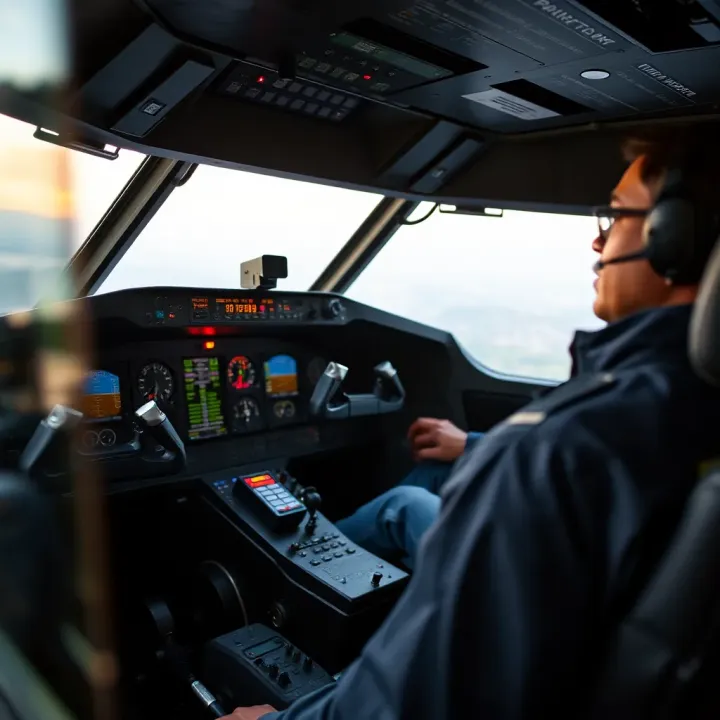
Becoming an aviator in Nigeria demands a clear understanding of the educational and licensing pathways involved. This knowledge equips aspiring pilots with direction and highlights the practical steps one must take to succeed in this competitive field. Given the complexities around training, certification, and regulatory compliance, a structured approach is essential.
Basic qualifications and academic prerequisites typically include at least five credits in WAEC or NECO examinations, especially in English, Mathematics, Physics, and Physics-related subjects. These subjects form the foundation for grasping aeronautical principles. For example, understanding physics concepts like aerodynamics and mechanics plays directly into pilot training.
Several Nigerian applicants often pursue further education in related fields such as aviation management or engineering, but these aren’t compulsory for pilot training. The core academic requirement is usually the minimum secondary school qualification and a clean record.
Flight training academies and schools in Nigeria provide practical skills needed for pilot licensing. Institutions like the African College of Aviation in Ilorin and the International Aviation College in Zaria are reputable options. They offer ground school lessons as well as flight hours under certified instructors. Training at these academies exposes students to local flying conditions, which can differ significantly from international environments.
Enrolling in a Nigerian flight school also allows for easier navigation through NCAA regulations and licensing processes. On the flip side, some trainees opt for overseas pilot schools, but this often involves higher costs and the need to transfer licences back to Nigeria.
Duration and curriculum of pilot training vary depending on the type of licence pursued. To obtain a Private Pilot Licence (PPL), candidates typically train for 6 to 12 months, accumulating at least 40 to 50 flying hours plus classroom-based theory. Commercial Pilot Licence (CPL) coursework is more intensive, often taking 12 to 24 months with around 200 flying hours.
The curriculum includes topics like navigation, meteorology, aircraft systems, and flight planning alongside actual flying practice. This blend ensures pilots don’t just fly by feel but understand the technicalities involved.
Role of the Nigerian Civil Aviation Authority (NCAA) is paramount in regulating aviation activities and ensuring that pilot training and certification meet safety standards. NCAA accredits flight schools and audits their programmes regularly. Their oversight guarantees that the licences pilots earn reflect rigorous and standardised competence.
It’s important for aviation students to align their training with NCAA guidelines to avoid setbacks in licensing. NCAA also revokes licences or suspends individuals who breach safety or regulatory standards, emphasising the seriousness of compliance.
Obtaining the Private Pilot Licence (PPL) and Commercial Pilot Licence (CPL) follows a staged process. After completing flight hours and ground school training, candidates sit for theoretical exams organised by NCAA. Successful students then undergo a practical flight test conducted by NCAA examiners.
For the PPL, the focus is on mastering basic flight skills to safely operate small aircraft. CPL holders, by contrast, must demonstrate the ability to handle commercial aircraft, crew coordination, and more complex navigation. Many Nigerian pilots begin with PPL before progressing to CPL, as the latter opens doors to commercial airline jobs.
Medical fitness and background checks are non-negotiable in the licensing process. Applicants undergo medical examinations by NCAA-approved aviation doctors to confirm they meet health standards for vision, hearing, cardiovascular health, and mental wellbeing. For instance, untreated hypertension or colour blindness would disqualify a candidate.
Similarly, background checks ensure that candidates have no criminal record and are trustworthy for a role demanding high safety responsibility. These verifications protect both the pilot and the public from potential risks.
The pathway to becoming a pilot in Nigeria involves clear academic requirements, hands-on training at accredited schools, strict adherence to NCAA regulations, and passing medical and security checks — all crucial for ensuring safety and skill in the aviation sector.
The aviation sector offers a range of career paths for aviators in Nigeria, reflecting the country's growing demand for air transportation and related services. Whether through commercial airlines or private ventures, pilots and aviation professionals can find numerous opportunities that suit their skills and ambitions. Understanding these options is key for anyone considering a career in aviation.
Nigeria hosts several major airlines that provide vital air travel and cargo services across the country and beyond. Airlines like Air Peace, Arik Air, and Dana Air dominate the commercial scene, with cargo operators such as Associated Logistics handling freight movement. For aviators, these companies represent the primary sources of employment, offering structured roles and steady income.
Demand for pilots and crew has increased steadily due to expanding passenger numbers and growth in cargo transport. However, the demand sometimes outstrips supply because of limited local training facilities and retention challenges. This means aviation professionals with the right licences and experience can secure roles relatively easily, though competition among top candidates remains stiff.
Career progression within airlines generally follows a clear path: starting as a first officer (co-pilot), pilots can advance to captain after sufficient flying hours and demonstrated proficiency. Further promotions involve roles such as training captain or management positions, often accompanied by higher pay and responsibilities. Airlines also offer opportunities for cabin crew, flight engineers, and ground staff, each with distinct career tracks.
Beyond commercial airlines, private charters and specialised aviation services provide alternative employment and business prospects. For instance, some pilots operate charter flights for corporate clients, medical evacuations, or tourism. This sector rewards flexibility and entrepreneurship, offering aviators chances to build niche markets and personalised service.
Flight instruction is another promising career path, where experienced pilots train aspiring aviators. Flight schools in Nigeria require qualified instructors, ensuring steady demand. This role allows pilots to maintain flying skills while mentoring new entrants, a vital link in expanding Nigeria’s pilot workforce.
Starting aviation-related businesses offers avenues for entrepreneurship. These might include maintenance services, aircraft brokerage, aviation consultancy, or even drone operations. Successful ventures require understanding regulatory standards, capital investment, and market demands but can become profitable if well-managed.
For aviators in Nigeria, exploring diverse career options beyond traditional airline roles not only enhances income prospects but also contributes to the broader growth of the aviation industry.
Understanding these career avenues helps aspiring aviators make informed decisions and plan their growth effectively within Nigeria’s dynamic aviation sector.
The aviation sector in Nigeria faces several obstacles that directly affect aviators and the industry's overall growth. Understanding these challenges helps pinpoint areas needing urgent improvement and guides aspiring professionals on what to expect. From economic issues to safety concerns, each problem has practical impacts on daily operations, career progression, and public confidence in aviation services.
Fuel cost is a huge portion of aviation operational expenses. In Nigeria, fluctuating global oil prices combined with the naira's instability put airlines and aviators under constant pressure. For example, when the naira weakens sharply against the dollar, imported jet fuel and spare parts become significantly more expensive. This inflates ticket prices, reducing passengers' affordability and squeezing airline profits. Pilots often bear the brunt as airlines cut salaries or freeze recruitment during tough periods.
Navigating the rules set by the Nigerian Civil Aviation Authority (NCAA) and other agencies can be complex and time-consuming. Aviators and companies face lengthy processes for licensing, renewals, and operational approvals. Excessive paperwork or unclear guidelines sometimes delay flight operations or new service launches. For instance, delays in getting aircraft certification or route approvals can stall business activities and discourage investment in the sector.
Nigeria's aviation infrastructure still lags behind global benchmarks. Many airports suffer from inadequate runway maintenance, poor air traffic control systems, and limited passenger facilities. For aviators, this means dealing with unpredictable delays, safety risks, and operational difficulties. Lagos Murtala Muhammed Airport remains overcrowded, leading to congested airspace and longer turnaround times. Without improved infrastructure, these bottlenecks restrict the industry's capacity to grow and meet demand.
While Nigerian carriers have improved safety standards recently, the country still records higher accident rates compared to developed markets. Factors such as ageing aircraft and poorly trained maintenance staff contribute to occasional incidents. These safety issues undermine passengers’ trust and discourage aviation careers. Pilots and crew operate under intense pressure, knowing that even minor errors can have severe consequences.
Maintaining aircraft in Nigeria is costly and complicated by scarce availability of genuine parts. Most airlines rely on imported components subject to customs delays and high tariffs. This shortage sometimes forces operators to postpone necessary repairs or use substandard parts, increasing the risk of malfunction. Effective maintenance requires skilled technicians, but training gaps remain a concern, causing further setbacks.
Though Nigeria hosts reputable flight schools, inconsistencies in training quality affect pilot readiness. Limited access to modern simulators and up-to-date curricula hinders new aviators from reaching international competency levels. Without consistent standards, some pilots may struggle to meet global certification requirements or adapt to evolving technology. This problem also discourages foreign partnerships that could otherwise enhance local expertise.
Addressing these challenges requires coordinated efforts from government, regulators, training institutions, and industry players to build a safer, more efficient Nigerian aviation sector. For aspiring aviators, awareness of these realities brings clarity on the hurdles and opportunities within their chosen field.
Understanding the future outlook of Nigerian aviation is essential for anyone considering a career or investment in this sector. The Nigerian aviation industry is gradually recovering from past setbacks, presenting fresh opportunities driven by government policies, infrastructure upgrades, and new technologies. Tracking these trends gives insight into how the sector will evolve, helping aviators, students, and entrepreneurs plan effectively.
Recent reforms by the Nigerian Civil Aviation Authority (NCAA) and the Ministry of Aviation aim to strengthen safety standards and regulatory oversight. For example, the NCAA has introduced stricter compliance checks and enhanced pilot licensing protocols, which help maintain international standards and improve passenger confidence. The Ministry has also renewed focus on boosting domestic airlines by offering incentives that encourage fleet expansion and route diversification. These moves signal clearer pathways for career growth and investment.
Infrastructure development remains a key government priority. Modernisation projects at major airports like Murtala Muhammed International Airport in Lagos and Nnamdi Azikiwe Airport in Abuja aim to improve passenger experience and operational efficiency. Runway renovations and terminal upgrades reduce delays and increase capacity, directly benefiting airlines and their crews. Such developments also encourage more frequent flights and open up regional connectivity, which could shape new job opportunities.
Efforts to boost local pilot training are gaining ground with government support for aviation academies and scholarship schemes. The aim is to reduce dependence on foreign-trained pilots by enhancing homegrown expertise. Training centres like the Nigerian College of Aviation Technology (NCAT) in Zaria receive funding to upgrade simulators and expand course offerings. This makes pilot training more accessible and affordable, ultimately raising the quality of Nigerian aviators and addressing the pilot shortage.
The adoption of flight simulators and digital training tools is transforming pilot preparation in Nigeria. Simulators offer risk-free, realistic practice environments that sharpen decision-making and operational skills without the high costs of actual flight hours. Aviation schools integrating these technologies can produce well-prepared trainees faster, which benefits both student pilots and airlines.
Private aviation and drone technology are experiencing steady growth, opening new business niches. High-net-worth individuals and corporate clients increasingly use private charters for flexibility and safety, creating demand for skilled aviators beyond commercial airlines. Meanwhile, drones are being developed for aerial surveys, agriculture, and delivery services across Nigeria, offering entrepreneurs novel opportunities within the sector.
The prospects for regional and international partnerships are promising. Nigerian airlines and aviation bodies are exploring strategic alliances with foreign carriers and global organisations to enhance technical expertise, safety practices, and market reach. These collaborations can facilitate knowledge exchange and open pathways for Nigerian pilots to gain international exposure, making the sector more competitive on the global stage.
Staying informed about government policies, infrastructure improvements, and technology trends will help you navigate Nigeria’s evolving aviation industry effectively and seize emerging opportunities.
Find the best Nigerian betting sites with fast, reliable withdrawal processes 💸. Get practical tips, reviews, and manage your ₦ winnings smoothly on trusted platforms.

🎮 Master the best Martingale strategy for Aviator with practical tips on bankroll management, risk control, and when to play for better chances of winning big ₦ rewards!

🔍 Discover practical Aviator strategies for 2026, tailored to Nigerian players. Learn risk management, data analysis, and tech tips to boost your winnings safely! ₦

Discover how Bet365 brings Valorant betting to Nigerian players 🇳🇬, with top bet types, safety tips, and smart strategies for winning big 🎮💰
Based on 13 reviews