

Understanding Aviator Careers in Nigeria
Explore Nigerian aviation careers 🛩️, training steps 📚, industry challenges, and growth opportunities 🔍. Get practical insights to navigate the sector confidently.
Edited By
Amelia Ifeanyi
The Aviator signal bot is a tech tool built to help traders in the fast-moving digital market, especially those interested in the Aviator game—a rising favourite in Nigeria’s online trading scene. At its core, this bot sends timely trading signals that guide when to place bets or make trades, aiming to improve a user's chances of winning.
Unlike traditional manual trading, which depends heavily on a trader’s intuition and experience, the Aviator signal bot analyses data automatically. It monitors patterns, game statistics, and market trends in real-time to deliver actionable signals directly to the user. For instance, if the bot spots a favourable pattern in the Aviator game rounds on platforms like Stake or Betway, it alerts the trader — indicating a potential buy or sell moment.

Beyond ease of use, the bot serves traders who might not have the time to study the game’s complex trends every time. This advantage allows young entrepreneurs, students, and sports bettors to participate actively without dedicating hours to analysis. Nigerian traders can access this tool via apps or desktop interfaces, often pairing it with familiar payment options like Paystack or Flutterwave for seamless deposits and withdrawals.
However, the bot isn't a magic wand. While it offers a disciplined approach to trading, it can’t guarantee profits because market volatility still affects outcomes. Traders must be wary of overreliance and understand the risks involved, such as sudden game changes or software glitches. Plus, scammers sometimes pose as bot providers, so Nigerians should verify the bot's credibility and user reviews before committing funds.
The key takeaway is that the Aviator signal bot is a helpful assistant, not a substitute for careful trading decisions.
Here are some practical points Nigerian traders should keep in mind:
Confirm platform compatibility: Make sure the bot supports your trading platform.
Monitor trades continually: Even with signals, keep tracking the market yourself.
Start small: Test the bot with manageable stakes before scaling up.
Stay updated on regulations: Nigerian authorities like the NDIC or SEC have guidelines on automated trading tools.
Understanding these basics will help traders make smarter moves with the Aviator signal bot in their online trading pursuits.
The Aviator Signal Bot is an automated tool designed to help traders spot potential winning opportunities in the Aviator game, an online trading and gaming platform gaining traction in Nigeria. With trading now moving swiftly online, tools like these have become essential in guiding players through the fast-paced, high-risk environment. For traders, especially those new to Aviator, understanding how this bot functions can mean the difference between making quick ₦10,000 wins or losing capital recklessly.
The Aviator game is a mix between gaming and online trading, where players bet on how high a virtual plane can fly before it crashes. The unpredictability makes it exciting but tricky, hence some traders rely on signals to improve their chances. Traders place bets based on when the plane is likely to take off or crash, and these timing predictions form the crux of trading signals.
Trading signals are alerts or recommendations generated to indicate the best moments to buy, sell, or hold within the Aviator platform. They aim to reduce guesswork, offering strategic guidance that players can follow. For example, a signal might advise selling just before the plane reaches a certain height to lock in profits or avoiding bets when the market is too volatile.
Manual signals come from experienced traders who analyse market trends and share tips through chat groups or signals channels. While useful, human-generated signals can be slow and subjective. On the other hand, automated signals, generated by bots like the Aviator Signal Bot, crunch data 24/7 without emotions, providing faster and often more consistent alerts. However, complete reliance on bots without personal judgement can be risky too.
The technology behind Aviator Signal Bots uses algorithms programmed with statistical models and machine learning to interpret the game's data. It watches patterns from the flight durations, previous crash points, and betting behaviours to predict probable outcomes. Think of it as a digital brain that attempts to forecast the next best move by analysing multiple factors simultaneously.
To do this effectively, the bot collects data from the Aviator platform, including real-time game stats and historical results. It often integrates market sentiment analysis, such as detecting how many players are placing bets or cashing out early, which influences price moves. This combination of technical data and behavioural insights forms the basis for signal accuracy.
Once the bot generates a signal, it sends instant notifications via apps, browser extensions, or messaging platforms. Nigerian traders receive these alerts, enabling them to react quickly, especially during volatile moments when every second counts. Some bots even allow automatic execution, placing the bets or cashing out based on the signal to minimise human lag. However, users should monitor automated trades closely to avoid unexpected losses.
The Aviator Signal Bot offers a powerful edge, but it demands that traders combine technology with sound judgement and consistent risk management to succeed.
Aviator signal bots offer Nigerian traders practical advantages that can significantly improve their trading experience and outcomes. By automating parts of the decision-making process, these bots help users stay ahead in fast-paced markets and reduce common trading pitfalls. As you engage with Aviator, understanding these benefits can boost your confidence and efficiency.
Real-time signal delivery is one area where Aviator signal bots shine. They provide immediate notifications about potentially profitable moves, removing the lag between market changes and trader reaction. For example, when a new trading opportunity arises on the Aviator platform, the bot alerts you promptly, ensuring you do not miss chances that could slip away if you relied solely on manual monitoring.
Reducing human errors forms another critical advantage. Traders often make mistakes, especially when overwhelmed by data or caught up in emotions. Automated signals help counter this by supplying consistent, algorithm-driven advice, less prone to impulsive decisions. This is particularly useful for Nigerian traders managing multiple market variables or balancing trading with daily commitments.
Enabling quick decision-making during volatile markets is key in the often unpredictable online trading environment. During sudden shifts, markets like Aviator can change direction rapidly. Signal bots process data swiftly, offering clear entry or exit points when hesitation could mean losing capital. This speed allows traders to act decisively, reducing exposure to unnecessary risks.
With leveraging algorithmic intelligence, Aviator signal bots tap into complex data analysis beyond human capacity. They scan market trends, patterns, and historical data to produce informed signals. For Nigerian traders without access to expert analysts, this technology fills that gap, providing valuable insights without the need for expensive subscriptions.
Supporting beginner traders is another important benefit. The Aviator signal bot acts as a guide, offering concrete trade suggestions while newcomers build their skills and understanding. This hands-on learning helps avoid rookie mistakes, making the trading journey less daunting and more structured for those just starting.
Finally, enhancing confidence through data-backed signals helps traders make decisions grounded in factual analysis rather than speculation. Knowing that signals arise from measurable market indicators instils trust in the process. For instance, a trader working with limited margin can rely on these signals to avoid reckless bets, improving consistency and overall returns.

Using Aviator signal bots isn't about removing the human element but enhancing it by providing timely, objective, and data-driven insights to help Nigerian traders navigate online trading more effectively.
By combining these benefits, Aviator signal bots offer a practical tool that helps Nigerian traders improve their trading outcomes, save time, and build better strategies in the competitive online market.
Understanding the risks and limitations of Aviator signal bots is essential for Nigerian traders aiming to use these tools effectively. While signal bots offer speed and data-driven insights, they are not free from challenges that can impact trading outcomes.
Signal bots analyse market data to suggest trading opportunities, but they can sometimes generate false signals. For example, a bot may signal a rising trend that quickly reverses due to sudden market moves. Traders relying blindly on these signals risk making wrong trades that lead to losses. In practice, this means it’s important not to treat every signal as a sure bet but to verify with other information and set stop-loss limits.
Signal bots are only as good as the data fed into them. Poor or outdated data sources can lead to inaccurate signals. For instance, if the bot’s data provider experiences a delay or reports incorrect pricing, the trading signals might reflect misleading market conditions. Nigerian traders using unreliable internet connections or less reputable platforms might see problems with data lag, which can seriously affect signal quality.
Even the best algorithms cannot predict unexpected events such as geopolitical issues, sudden regulatory changes, or large players manipulating the market, especially in volatile niches like online gaming or emergent trading platforms. The result is that signal bots might fail to anticipate sharp moves caused by such events. Traders must remember that unpredictability remains part of trading and that bots reduce risk but do not eliminate it.
The popularity of signal bots has unfortunately attracted fraudulent service providers in Nigeria's online trading space. Some bots promise guaranteed profits but instead are scams designed to steal traders’ money or personal details. For example, fake signal bots may charge upfront fees and then disappear or provide no real signals at all. It’s vital to approach signal bots with caution and verify the provider’s reputation before committing funds.
Using signal bots often requires sharing personal and account information, especially if the bot executes trades automatically. This exposes users to privacy risks and potential hacking. If the bot provider lacks strong security measures, traders might suffer account breaches or unauthorised transactions. Protecting login credentials and using bots with two-factor authentication can help mitigate these risks.
Choosing a reliable signal bot means looking for providers who offer transparent operations. This includes access to backtested results, live performance tracking, and user reviews from credible Nigerian online trading communities. Free trials or demo modes also serve as safe ways to test the bot without risking funds. Additionally, verify that the bot does not ask for excessive permissions on your trading account, which could be a red flag.
Remember, no signal bot guarantees success. Combining careful bot selection with sound trading knowledge offers the best defence against common risks.
By knowing these potential drawbacks, you position yourself better to use Aviator signal bots responsibly, especially in Nigeria’s dynamic trading environment.
Using Aviator signal bots responsibly can make a real difference in how Nigerian traders navigate the risks and opportunities of online trading. While these bots offer speed and data insights, relying entirely on them without caution often leads to losses. Responsible use means picking trustworthy signals, blending them with your own knowledge, managing risks carefully, and constantly checking how well the bot performs for you.
Research and reviews of service providers help weed out fake or low-quality signal bots. Before committing any funds, check reviews on trusted Nigerian trading forums or fintech platforms, where users share honest experiences. Look out for providers with multiple verified testimonials mentioning consistent, transparent signals rather than empty promises of easy money.
Good research reduces the chance of falling for scam bots, a common hazard in the Nigerian online trading scene. For example, a provider promising guaranteed 90% accuracy with no evidence is likely dubious. Instead, stick with those offering clear explanations of how they generate signals.
Free trials and demo usage let you test a bot without risking real money, which is especially important if you are new to automated trading. Many reputable services offer limited-time free trials where you can see the bot’s signals live and understand how its recommendations fit your style.
Some bots even link to demo accounts on trading platforms, where you can place virtual trades based on their signals. This approach helps beginners and professionals alike make informed decisions on whether to subscribe to the full service.
Transparency in signal generation means the provider openly shares how signals are created — including data sources and analysis methods. Providers who explain the logic behind signals build trust and help users spot when something might be off.
For instance, some signal bots use a mix of market trends, historical data, and real-time price movements, which they break down in simple language for subscribers. As a trader, you avoid being a blind follower, instead making smart choices by understanding the signal's basis.
Combining signals with market knowledge means treating bot signals as guidance rather than gospel. For example, if the bot signals a trade near a significant economic event like a CBN policy announcement, you might decide to skip or delay the trade, knowing market volatility can spike unpredictably.
Seasoned Nigerian traders often add personal insights from news, price charts, and macroeconomic factors. Bots handle data faster, but human context remains crucial for sound trading decisions.
Risk management and capital allocation go hand-in-hand with responsible bot use. You shouldn’t bet your entire trading capital blindly on signals. Instead, allocate small portions of your funds per trade, setting stop-loss limits to cap potential losses if a signal turns out wrong.
For example, if you have ₦100,000 set for Aviator trading, you might decide to risk only ₦5,000 per trade. Over time, this manages losses and helps you recognise signal patterns without spending your entire capital at once.
Tracking performance and making adjustments means keeping a journal or spreadsheet to monitor how well bot-generated signals perform over weeks or months. Nigerian traders using Aviator bots often review which types of trades win or lose, at what times of day, and under which market conditions.
If you notice consistent losses in certain scenarios, you can adjust settings, reduce trades in those conditions, or switch providers. Regular review keeps your system flexible, improving your chances of success.
Responsible use of Aviator signal bots is not about blind trust; it’s about blending technology with human judgement, staying cautious, and continuously learning from your trades to work smarter.
Navigating legal and regulatory requirements is essential for Nigerian traders using Aviator signal bots or any automated trading tools. Understanding these frameworks helps protect your investments and ensures you comply with Nigerian laws, avoiding penalties or losses from unregulated practices.
The Securities and Exchange Commission (SEC) Nigeria is the key regulator overseeing capital markets and investment activities. For online trading platforms and automated tools like Aviator signal bots, SEC ensures these technologies operate within legal boundaries to safeguard investors. SEC’s oversight focuses on protecting investors from fraudulent schemes and maintaining transparency in market activities.
For example, if a signal bot provider promises guaranteed returns without adequate disclosures, SEC can investigate and sanction such operators. Nigerian traders benefit from this regulatory watch, gaining some assurance that compliant platforms meet minimum standards of fairness and security.
Automated trading tools must meet specific conditions laid down by Nigerian regulators. These include registration of the service provider with SEC, transparent disclosure of how signals are generated, and adherence to data privacy laws. Signal bot developers are expected to demonstrate that their algorithms are tested for accuracy and not misleading.
Complying with these rules helps prevent scams and builds traders’ confidence. Traders should verify if the signal bot provider is registered with SEC or linked to regulated markets. Otherwise, using unregistered tools risks loss and legal complications.
The Nigerian regulatory system also provides mechanisms for consumer protection. If a trader suspects fraud or has a dispute with a signal bot service, they can approach SEC or other consumer protection agencies. These bodies mediate complaints and can order refunds or penalties against unscrupulous operators.
Such systems are vital because the automated trading space is prone to scams due to its technical complexity. Knowing there is a recourse helps traders engage the market more confidently.
Profits earned from online trading activities, including using Aviator signal bots, are subject to income tax under Nigerian tax law. Traders must treat gains as taxable income and pay accordingly to the Federal Inland Revenue Service (FIRS).
Failing to report such income can attract penalties or back taxes during audits. Even if trading is occasional, aggregated profits within a fiscal year should be declared.
Maintaining detailed records of all trades, deposits, withdrawals, and related expenses is essential. These documents serve as proof of income and help calculate correct tax liabilities.
Digital platforms, including some signal bots, may provide transaction histories. Traders should keep copies and summaries to ease tax reporting and potential future audits.
Given the nuances around online trading taxation, consulting tax experts or accountants familiar with Nigerian tax codes can be valuable. Professionals help clarify obligations, assist in filing returns, and ensure compliance.
For instance, a tax consultant can guide on allowable deductions, such as capital losses against profits, or help register for relevant tax identification numbers. This guidance reduces risk of errors and fines.
Engaging with legal and tax experts, alongside using SEC-approved trading tools, protects Nigerian traders from unnecessary risk while enhancing legitimacy in the growing digital trading market.
Explore Nigerian aviation careers 🛩️, training steps 📚, industry challenges, and growth opportunities 🔍. Get practical insights to navigate the sector confidently.
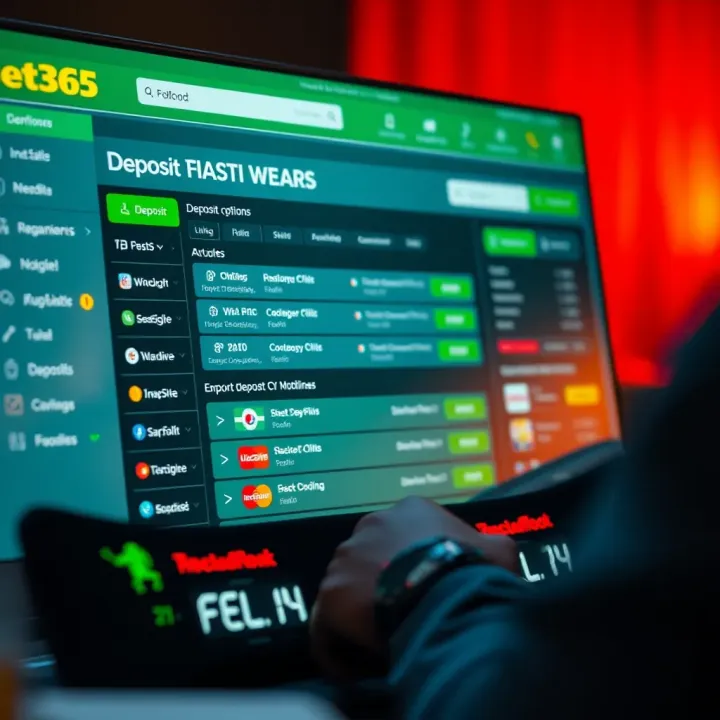
🎲 Learn the minimum deposit on Bet365 for Nigerian bettors. Discover easy local payment methods, how to deposit ₦, manage your budget, and avoid common deposit problems.

Find the best Nigerian betting sites with fast, reliable withdrawal processes 💸. Get practical tips, reviews, and manage your ₦ winnings smoothly on trusted platforms.

🎮 Master the best Martingale strategy for Aviator with practical tips on bankroll management, risk control, and when to play for better chances of winning big ₦ rewards!
Based on 13 reviews